

Protecting a vehicle from road salt rust requires a multi-layered seasonal defense: applying a penetrating lanolin-based rust inhibitor to the undercarriage before winter, washing the frame and wheel wells every two weeks with a fresh-water underbody rinse, clearing body panel drain holes, and sealing paint chips promptly. Combining fluid barrier protection with regular salt removal stops corrosive chemical reactions before moisture penetrates bare metal.
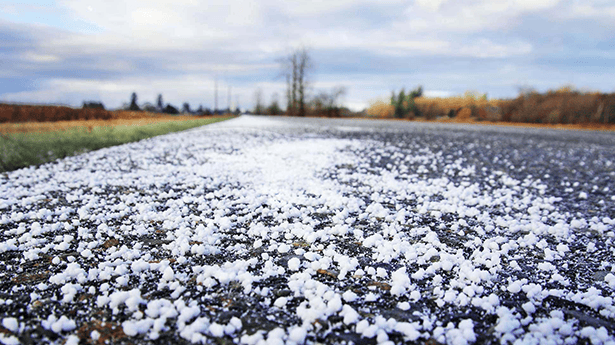
Northeast Ohio winter weather brings heavy snow, icy roads, and aggressive road chemical treatments. Road crews apply rock salt, sodium chloride, and liquid magnesium chloride brine to keep highways passable. While these compounds melt ice effectively, they create a highly conductive liquid slush that clings to exposed chassis steel, suspension mounting points, and brake lines. Without proactive maintenance, this salt slurry initiates electrochemical oxidation, rapidly converting structural steel into iron oxide.
A complete winterization routine balances physical barriers and routine cleaning. Before temperatures drop, applying a fluid film or lanolin undercoating creeps into tight metal seams, box sections, and unpainted subframes where factory coatings cannot reach. During active salting periods, routine undercarriage rinses remove accumulated salt deposits before they pit metal surfaces.
If you want to prepare your truck or SUV before the first winter storm, visit our service department at 36845 Euclid Ave, Willoughby, OH 44094 for a complete multi-point underbody inspection, or give our team a quick call to learn more about our winterization services.
How Does Road Salt Cause Corrosion on Frame Rails, Brake Lines, and Electrical Components?
Road salt accelerates corrosion by turning plain water into an electrolyte solution that drastically speeds up the chemical process of oxidation. When dissolved salt contacts steel or iron, dissolved oxygen reacts with metal atoms, stripping electrons and forming structural iron oxide.
During winter driving along humid coastal corridors and damp parkways near Euclid Creek Reservation, tires sling liquid salt brine directly into chassis crevices. The most vulnerable components under your vehicle include:
- Frame rails and subframes: Tubular steel frame rails and stamped subframes contain internal cavities where brine accumulates, corroding metal from the inside out.
- Brake lines and fuel lines: Steel hydraulic lines feature thin protective coatings that erode over time when exposed to road debris, leaving bare metal open to high-pressure line failure.
- Suspension control arms and fasteners: Stamped steel control arms, coil spring perches, and alignment eccentric bolts seize or weaken when salt crust remains trapped in pivot pockets.
- Exhaust systems: High thermal cycling from exhaust pipes combined with external salt spray creates rapid surface scaling, hanger failure, and premature muffler perforation.
- Electrical wiring and grounds: Salt water wicks into unsealed harness connectors and ground wire eyelets, creating high electrical resistance, sensor faults, and battery drain.
Preventing structural damage requires seasonal inspections of these high-risk areas. You can schedule a winter vehicle service appointment to have our factory-trained technicians inspect your chassis components, or order authentic Mopar replacement parts to replace worn splash shields and protective hardware.
Do Modern Chrysler, Dodge, Jeep, and Ram Vehicles Have Adequate Factory Rust Protection?
Modern Chrysler, Dodge, Jeep, and Ram vehicles feature advanced factory corrosion protection, including double-sided galvanized steel panels, electro-deposited e-coat primers, and specialized seam sealers, but severe winter environments still require supplemental protection. Factory measures protect body panels exceptionally well, yet exposed suspension links, unpainted driveline components, and chassis fasteners remain susceptible to aggressive de-icing chemicals.
Engineers design modern trucks like the Ram 1500 and SUVs like the Jeep Grand Cherokee with zinc-coated steel sheets that act as sacrificial barriers. When exposed to moisture, zinc oxidizes before the underlying steel begins to degrade. Additionally, underlying body shells pass through anti-corrosion dip tanks during manufacturing to seal internal pillar cavities.
Despite these engineering advancements, everyday driving conditions introduce vulnerabilities:
- Highway gravel and stone impacts chip away lower rocker panel coatings, exposing bare metal.
- Flexible body seams flex over rough terrain, micro-cracking factory seam sealers.
- Unpainted cast-iron steering knuckles and steel axle housings develop rapid surface oxidation.
- Aftermarket accessory installations can puncture factory protective layers if mounting points are left unsealed.
While factory galvanized metal prevents premature body perforation, added underbody fluid film treatments ensure long-term structural integrity for vehicles driven through harsh Lake County winters.
Why Lanolin Treatments Outperform Hard Rubberized Undercoating Without Swelling Rubber Bushings
Lanolin-based fluid rust treatments outperform traditional hard rubberized undercoatings on both new and older vehicles because lanolin remains a self-healing liquid that active-creeps into seam folds without trapping hidden moisture or damaging sensitive rubber components. High-grade lanolin rust inhibitors contain organic wool wax compounds that are chemically compatible with modern automotive synthetic rubbers, avoiding the seal degradation associated with petroleum solvents.
Hard rubberized undercoatings were once common, but automotive experts advise against applying hard rubber coatings to used vehicles. Over time, heat cycles and frame flexing cause hard rubber shells to develop microscopic cracks. Salt water seeps into these fissures, becoming trapped between the rigid outer coating and the steel frame. Because the moisture cannot evaporate, structural rot accelerates unnoticed beneath a dark, seemingly solid shell.
| Feature | Lanolin-Based Fluid Treatments | Hard Rubberized Undercoatings |
|---|---|---|
| Coating State | Non-drying, self-healing fluid film | Rigid, hard-curing rubber shell |
| Creeping Ability | Creeps into spot-weld seams and internal frame rails | Covers surfaces only; cannot penetrate tight joints |
| Moisture Behavior | Displaces active moisture and starves oxidation of oxygen | Traps trapped moisture if cracks or chips develop |
| Rubber Compatibility | Safe on synthetic suspension bushings and door weatherstripping | High risk of petroleum solvents swelling natural rubber |
| Reapplication Cycle | Annual touch-up recommended | Permanent application (susceptible to internal cracking) |
Petroleum-based sprays often contain aromatic solvents that cause natural rubber suspension bushings, suspension boots, and door seals to swell, soften, or lose structural shape over time. In contrast, heavy-duty lanolin formulations utilize natural wax esters that shield metal while preserving synthetic elastomer suspension bushings, steering rack boots, and lower door weatherstripping.
Is Undercoating Worth It for Vehicles With Surface Rust, and Why Do Heated Garages Accelerate Corrosion?
Applying an oil or lanolin undercoating to a vehicle with existing surface rust is highly effective because penetrating fluid treatments saturate orange oxide scale, cutting off the oxygen and moisture required for corrosion to continue. Parking a salty vehicle in a heated garage accelerates rust formation because elevated temperatures speed up the chemical reaction between metal, moisture, and road salt.
Surface rust represents the early phase of metal degradation. Unlike hard rubber coatings that mask damage, fluid rust inhibitors penetrate porous oxide layers right down to the uncorroded base steel. This saturation displaces trapped water and leaves an oily barrier that halts progression from cosmetic surface scale to deep structural perforation.
Temperature plays a major role in chemical reaction rates:
- Freezing temperatures (below 32°F): Moisture freezes solid, dramatically slowing down chemical oxidation.
- Warm garage environment (50°F to 60°F): Accumulated slush melts into liquid salt brine while warm air speeds up the electrochemical reaction.
- Relative humidity: Enclosed garages retain humidity from melting snow, creating a tropical greenhouse effect for chassis steel.
Drivers who utilize heated indoor parking during winter months should rinse their vehicle's undercarriage more frequently to remove active salt deposits before pulling inside for the night.
How Often Should Willoughby Drivers Wash the Undercarriage During Winter Salt Season?
Drivers operating vehicles in winter conditions should wash the undercarriage approximately every two weeks during active salting periods and immediately following major snowstorms once road surfaces dry out. Regular washing flushes accumulated de-icing chemicals out of chassis pockets before brine can pit protective zinc coatings.
When rinsing your vehicle during winter, target high-consequence accumulation points along the chassis:
- Wheel arches and fender lips: Blast away packed slush stuck behind inner fender liners.
- Rocker panels and cab steps: Ensure lower body drain holes remain free of road dirt so internal condensation drains freely.
- Transmission crossmembers and skid plates: Clear trapped road salt from flat horizontal ledges.
- Fuel tank straps and brake line brackets: Direct low-pressure water behind mounting brackets where salt paste settles.
Choosing mild weather days when ambient temperatures hover above freezing prevents door lock cylinders and rubber weatherstripping from freezing shut after a wash. Dry off door jambs and wipe down rubber seals with a clean microfiber towel immediately following any winter car wash.
Frequently Asked Questions About Winter Rust Protection
Q: Do oil or lanolin rust treatments swell rubber bushings and door weatherstripping?
A: High-grade lanolin rust treatments are generally safe on modern automotive synthetic rubber compounds and do not cause swelling. Older petroleum-based oil sprays containing heavy solvents can cause natural rubber seals, steering boots, and suspension bushings to soften or swell over time. Utilizing lanolin-based barrier products ensures strong metal protection without compromising suspension components or door weatherstripping.
Q: Why do automotive experts advise against hard rubberized undercoating on older vehicles?
A: Experts advise against hard rubberized undercoatings on older or used vehicles because rigid coatings trap existing moisture and road salt underneath their hard shell. As the vehicle frame flexes, microscopic cracks form in the hardened layer. Salt brine enters these cracks and becomes trapped against bare steel, causing hidden, rapid rust that rots metal components from the inside out.
Q: Do modern vehicles come with adequate factory rust protection?
A: Modern Chrysler, Dodge, Jeep, and Ram vehicles feature advanced factory corrosion defense, including galvanized steel body panels and electro-coated primers that prevent premature rust. However, exposed frame welds, unpainted suspension links, and underbody fasteners remain vulnerable to aggressive liquid road chemicals. Supplemental lanolin or oil undercoatings offer added protection for long-term chassis durability.
Q: Why can parking a salty vehicle in a heated garage speed up rust formation?
A: Parking a salty vehicle in a heated garage speeds up corrosion because chemical oxidation occurs significantly faster at warmer temperatures. In freezing outdoor weather, salt brine activity slows down. When driven into a warm garage, snow and ice melt into active liquid salt water, creating a warm, humid environment that rapidly accelerates rust on exposed metal.
Q: Is it worth undercoating a vehicle that already has surface rust?
A: Yes, applying a fluid oil or lanolin undercoating to a vehicle with surface rust is extremely beneficial. Penetrating fluid treatments soak directly into orange surface scale and creep into tight metal seams, displacing trapped moisture and blocking oxygen. This process starves the chemical reaction, dramatically slowing down further metal deterioration.
Winterizing Your Vehicle at Chrysler Dodge Jeep Ram
Protecting your truck, SUV, or sedan from winter road salt requires a proactive combination of chassis inspections, protective fluid treatments, and regular underbody washing. At Chrysler Dodge Jeep Ram of Willoughby, our factory-certified service technicians understand the exact maintenance needs of your Ram 2500, Jeep Wrangler, or Dodge Durango during harsh Lake County winters. From multi-point undercarriage checks and battery health tests to genuine Mopar splash guard installations, our service center provides complete care tailored to local driving conditions.
Schedule your winter maintenance inspection today by visiting our team at 36845 Euclid Ave, Willoughby, OH 44094 or giving our service department a quick call. Let our experienced service team help keep your vehicle safe, reliable, and corrosion-free all season long.
*Prices and MSRP referenced in this article are estimates for informational purposes only and do not constitute an offer to sell. See dealer for complete details. *Fuel economy estimates shown may differ from official EPA ratings and should not be relied upon as a guarantee of actual vehicle performance.