




To properly adjust tire pressure during cold weather, measure your tire pressure when the vehicle has been parked for at least three hours and inflate the tires to the exact cold pounds per square inch (PSI) listed on the driver-side door jamb placard. Add air using a digital pressure gauge until you reach that baseline recommendation. Never bleed air out of a warm tire or overinflate past the manufacturer specification to compensate for winter temperatures.
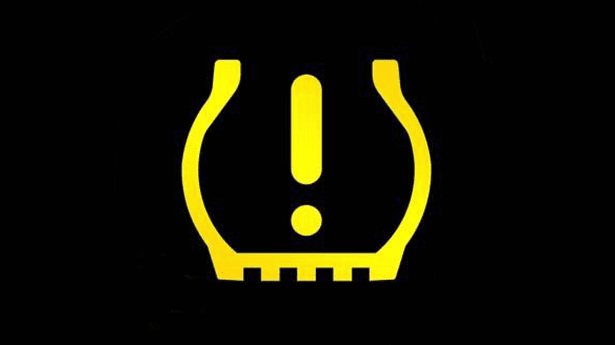
Freezing ambient temperatures cause the air molecules inside your tires to contract, reducing the overall pressure exerted against the tire walls. When autumn transitions into winter, drivers navigating winter commutes near Lake Erie in Willoughby often notice the tire pressure monitoring system (TPMS) amber symbol illuminate on the instrument cluster during early morning starts. This low-pressure indicator is not necessarily a sign of a puncture; rather, it is a predictable physical reaction to dropping seasonal temperatures.
When correcting your tire pressure during cold spells, always follow these step-by-step best practices:
- Check pressure when cold: Take readings first thing in the morning before driving or at least three hours after the vehicle has been parked.
- Reference the vehicle placard: Use the recommended PSI printed on the driver-side door pillar label rather than the maximum PSI stamped on the tire sidewall.
- Use an accurate gauge: Digital or quality dial pressure gauges provide far more reliable readings than hand-held pencil-style gauges or inflation hoses at gas stations.
- Adjust in ambient conditions: If inflating your tires inside a heated garage, add 2 to 3 PSI above the placard target so the tires remain at the correct pressure when exposed to sub-freezing outdoor air.
- Inspect the valve stems: Ensure valve caps are tightly screwed on to prevent moisture from entering the core and freezing open.
Maintaining proper cold inflation preserves tread life, optimizes fuel efficiency, and provides optimal traction on slushy roads. If you need assistance checking your tires or setting the correct baseline pressure, visit our service center location or call our team directly at (440) 597-2588 to speak with a technician.
Why Does Cold Weather Cause the Tire Pressure Warning Light to Come On?
Cold weather triggers the tire pressure warning light because gas density changes in direct response to ambient temperature drops, causing inflation pressure inside a sealed tire to drop. According to fundamental thermodynamic principles recognized by safety authorities like the National Highway Traffic Safety Administration (NHTSA), tire pressure decreases by approximately 1 psi for every 10°F drop in air temperature.
When your vehicle sits overnight in freezing weather, the air inside the tires cools to match the outside environment. As air molecules lose thermal energy, they slow down and occupy less volume, exerting less force against the inner tire liner. An overnight drop of 30 degrees can easily reduce tire pressure by 3 to 4 PSI. If your tires were already slightly underinflated at autumn temperatures, that sudden temperature drop pushes the internal pressure below the threshold required by the vehicle's electronic monitoring system.
When cold weather first hits Northern Ohio, our service advisors frequently see drivers bring in their 2026 Ram 1500 or 2026 Jeep Grand Cherokee when the dashboard tire light glows on a chilly morning, wondering if they have a slow puncture or just cold air contraction. In many cases, the tire structure and valve stems are completely intact, and the system is simply reporting a legitimate loss of pressure caused by ambient cooling.
Component wear and wheel rim contraction can also compound cold-weather air loss. Rubber valve stems harden and become less pliable in freezing weather, while alloy wheels and steel rims contract at slightly different rates than rubber tire beads, occasionally allowing minute air seepage. Replacing worn stems with genuine Mopar tire pressure sensors and replacement valves prevents slow seasonal leaks that worsen warning light triggers.
How Do Direct TPMS Sensors Measure Tire Pressure and Alert Thresholds?
Direct TPMS measures internal tire pressure using individual battery-powered radio frequency sensors mounted directly to the wheel rim or integrated into the valve stem assembly inside each wheel assembly. These sensors continuously monitor air pressure and temperature, transmitting real-time digital telemetry to the vehicle’s central receiver module.
Under Federal Motor Vehicle Safety Standard No. 138, vehicle manufacturers must configure the direct TPMS warning telltale to illuminate whenever one or more tires reach 25 percent below the recommended cold inflation pressure specified on the vehicle placard. For example, if your 2026 Dodge Durango calls for a placard pressure of 36 PSI, the TPMS warning light will trigger once pressure drops to approximately 27 PSI.
Direct TPMS systems operate through specific diagnostic parameters:
- Continuous Sampling: Sensors record pressure samples continuously while the vehicle is in motion and periodically while parked.
- Wireless Signal Transmission: Pressure data is sent via high-frequency radio signals to the vehicle computer, updating individual wheel readouts on your instrument display.
- Alert Telltale Logic: If a sensor measures a 25 percent loss relative to baseline specification, the amber horseshoe-shaped icon with an exclamation point lights up solid on the dashboard.
- System Fault Warnings: If a sensor battery fails or signal transmission is interrupted, the TPMS icon flashes for 60 to 90 seconds upon startup before staying continuously lit, signaling a diagnostic fault rather than immediate underinflation.
Because the federal safety threshold requires a 25 percent drop before triggering the alert, a tire can lose several pounds of air pressure—negatively impacting fuel economy, tread wear, and cold-weather stopping distances—well before the warning light turns on. Routine manual checks remain essential even on vehicles equipped with advanced direct TPMS sensors.
What Is the Recommended Tire Pressure During Winter Months?
The recommended tire pressure during winter months is the exact cold inflation PSI specified on your vehicle's driver-side door jamb placard, regardless of ambient snowfall or freezing temperatures. Vehicle manufacturers calculate this baseline target specifically for resting cold tires to deliver optimal structural integrity, braking traction, and load-carrying capacity.
A common myth among winter drivers is that lowering tire pressure improves traction on snow or ice. Operating a modern radial tire below its placard specification reduces central tread contact with the road surface, causes the shoulder blocks to flex excessively, and increases internal heat build-up that damages tire plies. Conversely, overinflating tires beyond placard recommendations narrows the contact patch, severely diminishing grip on slick, freezing roads and causing premature center-tread wear.
Winter tire pressure considerations vary slightly depending on your vehicle configuration:
| Vehicle Type | Representative Model | Typical Placard Cold Target | Key Winter Consideration |
|---|---|---|---|
| Full-Size Truck | 2026 Ram 1500 | 35 – 45 PSI (Front/Rear dependent) | Heavy payload duty requires maintaining rear axle PSI specifications when hauling winter weight. |
| All-Wheel Drive SUV | 2026 Jeep Grand Cherokee | 33 – 36 PSI | Equal inflation across all four positions protects all-wheel drive transfer cases from rotational strain. |
| Performance SUV | 2026 Dodge Durango | 32 – 36 PSI | High-performance winter rubber requires exact cold setting to maintain firm sidewall stability. |
To maintain your recommended PSI during prolonged cold spells, check your tire pressure every two weeks. Recheck pressures immediately following severe atmospheric cold fronts, as rapid barometric changes combined with plummeting temperatures accelerate pressure drops.
What Should You Do If Your Tire Pressure Light Comes On While Driving?
If your tire pressure warning light illuminates while driving, maintain a firm grip on the steering wheel, avoid sudden braking or aggressive steering inputs, and safely pull over to a flat, secure location off the roadway to inspect your tires.
A solid TPMS light indicates underinflation in one or more tires, whereas a flashing light signals a diagnostic issue with the system itself. Following a safe pull-over protocol ensures you do not damage your wheel rims or compromise vehicle handling:
- Perform a Visual Walk-Around: Check all four tires for obvious signs of severe underinflation, side-wall bulging, embedded nails, or flat spots resting on the rim.
- Gauge Internal Pressures: Use a reliable tire pressure gauge to measure each wheel, comparing the numbers against the door jamb placard specification.
- Identify Cold Drops vs. Punctures: If all four tires read roughly 3 to 5 PSI low, cold ambient contraction is the primary cause. If three tires read normal and one tire is 10 PSI or more below target, suspect a slow leak or puncture.
- Inflate to Target PSI: Proceed cautiously to the nearest air pump or service center and add air until every tire meets the placard recommendation.
- Monitor Dashboard Display: On vehicles equipped with direct TPMS, drive for several minutes above 15 mph to allow the sensors to update the central module and clear the warning light.
Driving long distances on a severely underinflated tire causes rubber degradation, compromised emergency braking, and potential bead unseating. If a tire cannot retain air pressure or shows visible sidewall damage during slushy morning trips along Euclid Creek, stop driving immediately and utilize roadside assistance to mount your spare tire or tow the vehicle for professional care.
Common Questions About Cold Weather Tire Maintenance
Q: Does tire pressure return to normal once you start driving in cold weather?
Driving generates rolling friction and tire flexing, which warms the air inside the tires and temporarily increases internal pressure by 1 to 3 PSI. However, this temperature elevation is temporary and does not eliminate a underlying cold air loss. Once your vehicle is parked and cools down to ambient outdoor temperatures, internal pressure drops right back down to the depleted reading. You must add air when the tires are completely cold to establish a proper pressure baseline.
Q: Should I inflate my tires above the recommended PSI during winter months?
No, you should never set baseline cold tire pressure above the recommended PSI listed on your vehicle door placard. Overinflating tires reduces the contact patch, decreases traction on icy or wet pavement, creates a harsh ride, and subjects tires to uneven center tread wear. The correct practice is to measure tires when cold and inflate them exactly to the factory placard specification to account for ambient winter shrinkage naturally.
Q: Why does my TPMS light turn off after I drive for a few miles on a cold day?
As you drive, tire flexing and pavement friction heat the air inside the tire casing. This temperature rise causes the compressed air to expand slightly, raising internal pressure just enough to cross back over the 25 percent loss threshold required by the TPMS module. While the light turns off on your display, your tire remains marginally underinflated when resting cold and requires additional compressed air to reach its true baseline.
Q: Is it safe to drive with the tire pressure light on in sub-freezing temperatures?
Driving short distances at reduced speeds to reach an air station is generally acceptable if the tire shows no physical signs of severe flattening or sidewall damage. However, driving continuously at highway speeds on an underinflated tire in cold weather increases rubber stress, degrades handling response, and elevates the risk of a tire blowout. Always gauge and correct low pressures as soon as possible.
Q: How often should I check my tire pressure during Ohio winter weather?
You should measure tire pressure at least once every two weeks during the winter season and immediately following any major drop in ambient temperature. Cold weather causes constant pressure fluctuations, making monthly checks insufficient for winter driving conditions. If you need assistance checking your tread depth or setting proper inflation, you can easily schedule a winter tire service appointment online with our service team.
Schedule Professional Winter Tire Care at Chrysler Dodge Jeep Ram of Willoughby
Proper tire inflation is your primary line of defense for maintaining vehicle stability, fuel efficiency, and stopping performance throughout cold winter conditions. Monitoring cold PSI readings, understanding direct TPMS sensor alerts, and keeping your tires set to factory door-jamb specifications prevents unexpected dashboard warning lights and protects your tire investment against premature wear.
Our factory-trained service technicians specialize in comprehensive tire care for Chrysler, Dodge, Ram, and Jeep vehicles. Whether you require a routine seasonal pressure adjustment, TPMS sensor diagnostic, wheel balancing, tire rotation, or installation of snow-rated tires, our team utilizes specialized diagnostic tools and factory parts to keep your vehicle performing reliably.
Don't let cold weather compromise your safety on winter roads. Stop by our Willoughby service drive today or reach out to our service team at (440) 597-2588 to confirm your winter tire maintenance appointment.
*Prices and MSRP referenced in this article are estimates for informational purposes only and do not constitute an offer to sell. See dealer for complete details. *Fuel economy estimates shown may differ from official EPA ratings and should not be relied upon as a guarantee of actual vehicle performance.