



Ohio summer storms arrive without warning, often reducing visibility to near zero in seconds. When the sky turns dark over the Lake Erie basin, your ability to see the road depends entirely on the condition of your wiper blades and the clarity of your exterior lighting. Standard rubber blades typically last six to twelve months before the sun’s UV rays and temperature swings cause them to crack or streak. Our team recommends inspecting your wipers for any signs of skipping or squeaking, which indicates the rubber has hardened and can no longer clear heavy rainfall effectively.
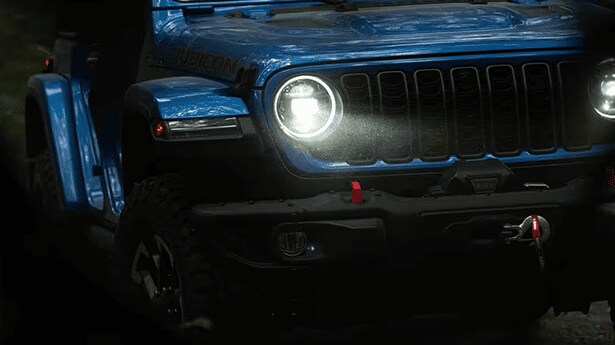
Maintaining a clear view is especially critical when navigating the historic downtown area of Willoughby, where pedestrian traffic and Victorian-era architecture require constant situational awareness. Modern vehicles like the 2026 Jeep Grand Cherokee come equipped with advanced visibility features, including available rain-sensing wipers and redesigned LED headlamps. These lighting systems provide a much whiter, more focused beam than traditional halogen bulbs, helping you cut through the gray wall of a sudden downpour. We verify that all safety lighting—including brake lights, turn signals, and hazard flashers—is fully functional to ensure you remain visible to other drivers during low-visibility events.
If you notice your wipers leaving a film or if a bulb has dimmed, our service department can quickly install genuine Mopar replacements designed for your specific model. You can find us at our Willoughby location for a quick inspection. For immediate assistance with your visibility systems, feel free to give us a quick call at (440) 597-2588 to speak with a technician.
Evaluating Tire Safety and Tread Depth for Wet Ohio Roads
While the legal limit for tire tread is 2/32 of an inch, heavy rain requires significantly more depth to maintain a safe grip on the pavement. Federal crash data indicates that 74% of weather-related accidents occur on wet roads, primarily due to hydroplaning. Hydroplaning happens when a layer of water builds up between your tires and the road surface, causing a loss of steering and braking control. To resist this, we recommend a minimum tread depth of 4/32 of an inch or 5/32 of an inch for the summer storm season, as deeper grooves are necessary to channel water away from the contact patch.
The gently rolling terrain near Euclid Creek Reservation can become particularly slick during the first few minutes of a storm when rain mixes with accumulated oil on the asphalt. Beyond tread depth, maintaining proper tire pressure is the most effective way to ensure your tires perform as engineered. A drop of just a few pounds in pressure can increase the risk of the tire "surfing" on top of standing water. We suggest checking your pressure cold, as the summer heat can cause readings to fluctuate by several pounds throughout the day.
Our certified technicians can perform a comprehensive tire health check to ensure you have the traction needed for Ohio's unpredictable weather. You can easily schedule your service appointment online to have your tread measured and tires rotated. If it is time for a new set, you can order your parts and accessories today through our parts department to find tires specifically rated for wet-weather performance and hydroplaning resistance.
Testing Battery Health and Cooling Systems for Severe Summer Heat
Many owners associate battery failure with the dead of winter, but summer heat actually degrades internal components more aggressively. High temperatures accelerate the chemical reactions inside a lead-acid battery, causing fluid to evaporate and internal grids to corrode. If your battery is three years old or older, it is at a much higher risk of sudden failure during a heatwave or a severe storm. We use specialized load-testing equipment to determine if your battery can still hold a charge under the stress of high-draw components like your air conditioning and wipers.
The cooling system is the other half of the summer reliability equation. Stop-and-go traffic in Northeast Ohio is where overheating typically occurs, as there is less natural airflow through the radiator. We check coolant levels and inspect hoses for any signs of bulging or "soft spots" that could lead to a burst under pressure. For those driving a 2026 Ram 1500, maintaining this system is vital for long-term durability, especially given the new 10 years / 100,000 miles powertrain warranty coverage available for the 2026 model year.
A healthy cooling system also ensures your cabin remains a refuge from the humidity. If your temperature gauge begins to climb while you are idling, it is often a sign of a failing cooling fan or a low coolant level. Proactive maintenance prevents these small issues from turning into an expensive roadside breakdown when you are miles from home.
The 30-Minute Pre-Trip Inspection Checklist for Summer Storms
A quick 30-minute inspection the night before a trip can prevent the most common roadside emergencies on the highway. This routine is designed to catch small mechanical vulnerabilities before they are exploited by high heat or heavy rain. We suggest starting under the hood and working your way around the vehicle to ensure nothing is overlooked.
Under the Hood and Fluid Checks
- Coolant Level: Verify the reservoir is at the "full cold" line and check for white residue near hose connections, which indicates a slow leak.
- Engine Oil: Check the dipstick to ensure the oil is at the proper level and does not appear excessively dark or gritty.
- Brake Fluid: Ensure the fluid is clear and at the appropriate level, as moisture-contaminated fluid can reduce braking effectiveness during hard stops in the rain.
- Washer Fluid: Top off your reservoir with a summer-blend fluid specifically formulated to remove bugs and road grime.
Exterior and Safety Equipment
- Tire Inspection: Use a tread depth gauge to confirm you have at least 4/32 of an inch of tread and check for any sidewall bulges or embedded debris.
- Lighting Test: Turn on your hazard lights and walk around the vehicle to confirm every bulb is bright and functional.
- Wiper Performance: Spray the windshield and run the wipers to check for any streaking or missed spots.
- Battery Terminals: Look for any powdery corrosion on the terminals and ensure the cables are tight and secure.
Assembling a Reliable Summer Emergency Kit and Safe Driving Decisions
The Ohio Emergency Management Agency advises that seconds matter during severe weather, and having the right supplies on hand can make a life-saving difference if you are stranded. A summer emergency kit differs from a winter kit by prioritizing hydration and heat protection. We recommend keeping at least one gallon of water per person in the vehicle at all times. In the event of a breakdown in high humidity, dehydration can set in quickly, making it difficult to remain focused and make safe decisions.
When you encounter a flooded roadway, the only safe choice is to turn around. Even a few inches of moving water can lose a vehicle’s contact with the road, and deeper water can stall an engine or sweep a car away. If you are caught in a storm with extreme winds, the safest action is to pull as far off the road as possible, away from trees or power lines, and stay in the vehicle with your seatbelt fastened until the conditions improve.
Safe driving in a storm also requires a specific mental approach known as emotional disengagement. Stormy traffic often leads to high stress and aggressive behavior from other drivers. By recognizing that their aggression is not your personal emergency, you can maintain a calm demeanor and focus on defensive driving. This mindset allows you to maintain the necessary four-to-six second following distance required for safe stopping on wet pavement.
Common Questions About Severe Weather Vehicle Maintenance
Q: What should I do if my vehicle starts to hydroplane on a wet road?
Take your foot off the accelerator immediately to allow the vehicle to slow down naturally. Do not slam on the brakes, as this can lock the wheels and worsen the skid. Maintain a firm grip on the steering wheel and steer straight or gently in the direction you want the front of the car to go until you feel the tires regain contact with the pavement.
Q: How often should I replace my wiper blades if they look okay?
Even if they appear intact, the rubber begins to lose its flexibility after about six months of exposure to the elements. If you notice any streaking, a "chattering" sound, or if they fail to clear the glass in a single pass, they should be replaced immediately. Many local drivers find that replacing them at the start of both the spring and fall seasons ensures peak performance year-round.
Q: Why does my car battery struggle more in the summer than in the winter?
Heat is the primary enemy of battery longevity because it causes the internal electrolyte solution to evaporate and speeds up the corrosion of the lead plates. While a cold battery has trouble starting an engine, a heat-damaged battery often fails completely without warning. Having a battery load-tested once it reaches three years of age is the best way to avoid a surprise failure.
Q: Is it safe to drive through standing water if I have a high-clearance vehicle?
Even with the high ground clearance of a 2026 Jeep Wrangler, driving through standing water is risky. It is often impossible to determine the depth of the water or the condition of the road underneath, which may have washed away. Furthermore, splashing water can be sucked into the engine intake, causing catastrophic internal damage known as hydro-locking.
Q: What is the most important fluid to check before a summer road trip?
Engine coolant is arguably the most critical fluid for summer travel. It is responsible for absorbing the massive amount of heat generated by your engine and dissipating it through the radiator. If the coolant level is low or the fluid is old and has lost its protective properties, your engine can overheat in minutes, especially when idling in heavy traffic.
Proactive Vehicle Care at Chrysler Dodge Jeep Ram of Willoughby
Our team is dedicated to ensuring your vehicle is prepared for the unique challenges of the Ohio summer. From precision tire rotations to advanced battery diagnostics, we provide the expert care required to keep your family safe during storm season. We use only genuine Mopar parts to maintain the integrity and performance of your vehicle, whether you are driving a rugged 2026 Jeep Wrangler or a high-performance 2026 Ram 1500.
We invite you to visit us for a multi-point inspection to identify any potential vulnerabilities before they lead to a breakdown. Our certified technicians understand the local driving conditions and are here to provide transparent, honest service tailored to your needs. You can find our service center address easily to plan your visit. If you have questions about a specific maintenance interval or a warning light on your dashboard, give our team a quick call and we will be happy to assist you. At Chrysler Dodge Jeep Ram of Willoughby, we are committed to keeping you moving safely through every season.
*Prices and MSRP referenced in this article are estimates for informational purposes only and do not constitute an offer to sell. See dealer for complete details. *Fuel economy estimates shown may differ from official EPA ratings and should not be relied upon as a guarantee of actual vehicle performance.